
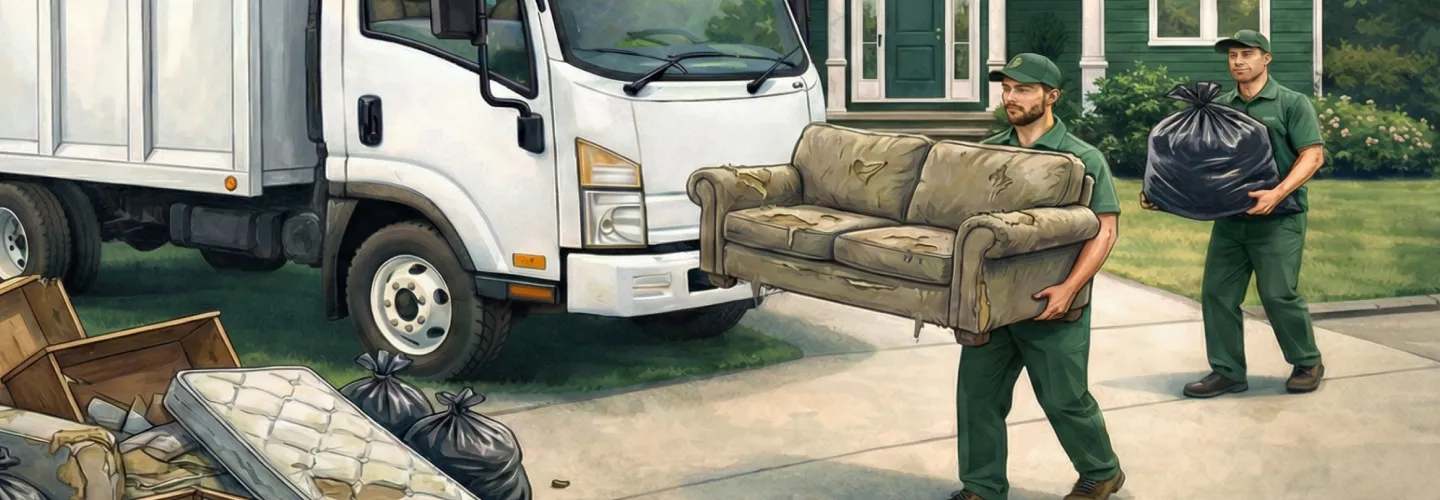
Natick Scrap Metal Removal Services
Choose our Scrap Metal Removal for hassle-free, eco-friendly service that saves you time and ensures your unwanted metal is recycled responsibly.
Get a Free QuoteOur Natick Junk Removal Services
Scrap Metal Removal in Natick, MA – Local Service Guide
Scrap metal removal in Natick, MA is a vital service for homeowners and businesses alike, especially in neighborhoods like South Natick and Walnut Hill. Residents often need removal during spring cleanouts, after appliance upgrades, or when replacing old furniture and hot tubs. Local weather, such as heavy snow or summer storms, can prompt urgent cleanouts from garages, basements, or yards. For residential items, options include recycling centers or donation, but larger items may require professional hauling due to access or size challenges. Commercial clients in Natick’s downtown or along Route 9 often schedule removals after renovations or seasonal inventory changes, requiring discreet, timely pickups to minimize business disruption. Specialty projects—like estate cleanouts or construction debris—demand careful planning and coordination, especially in older properties or during foreclosure proceedings. For all scenarios, understanding Natick’s local rules and resources ensures compliance and efficient disposal.
Key Considerations for Scrap Metal Removal in Natick
- Timing: Plan around seasonal cleanouts and local weather
- Permits: Check for any required town approvals
- Disposal Channels: Use certified recyclers or donation centers
- Access: Consider driveway size, street parking, and property layout
- Volume: Estimate load size for efficient scheduling
- Coordination: Align with local pickup schedules and category-specific needs
Benefits of Scrap Metal Removal in Natick
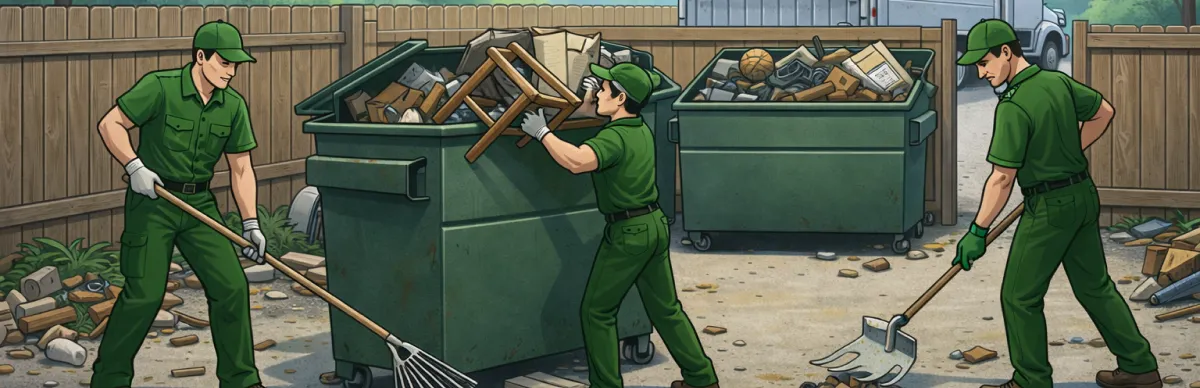
Eco-Friendly Disposal
Fast and Reliable Service
Free Up Valuable Space
Safe Removal Practices
Competitive Pricing
Convenient Scheduling
Coordinating Scrap Metal Removal with Natick’s Department of Public Works and Transfer Station Access
Scrap metal removal in Natick is managed through the Department of Public Works (DPW), which oversees residential and commercial solid waste programs. Residents may bring scrap metal to the Natick Transfer Station, located at 75 West Street, open Monday through Saturday from 7:00 AM to 3:30 PM. A valid transfer station permit, available to Natick residents for an annual fee, is required for access. Commercial entities must comply with additional licensing requirements and may be subject to volume-based disposal fees. Accepted items include appliances (with refrigerants removed), metal furniture, and pipes, while electronics and hazardous materials are strictly prohibited. For curbside bulk metal pickup, residents must schedule in advance and adhere to item preparation guidelines, such as removing doors from appliances and bundling loose metal. Failure to comply with DPW regulations may result in code violations or fines.
Department of Public Works
75 West Street, Natick, MA 01760
Phone: (508) 647-6550
Official Website: Department of Public Works
- Transfer Station hours: Monday–Saturday, 7:00 AM–3:30 PM
- Permit required for entry; annual fee applies
- Bulk metal pickup by appointment only
- Prohibited: electronics, hazardous waste, items with refrigerants
- Commercial haulers must be licensed by the town
Understanding Massachusetts Solid Waste Laws and Natick’s Scrap Metal Recycling Mandates
Massachusetts enforces strict solid waste regulations, including landfill bans on many recyclable materials such as scrap metal. Under the Massachusetts Waste Bans, it is illegal to dispose of metal items in regular trash. Natick residents and businesses must separate scrap metal for recycling, either through the town’s transfer station or licensed recycling facilities. The Massachusetts Department of Environmental Protection (MassDEP) oversees compliance, and violations can result in fines up to $100 per incident. Appliances containing refrigerants must have the refrigerant professionally removed and certified before disposal. Residents are encouraged to consult the Natick Recycling Center for accepted materials and preparation requirements. Proper recycling supports the state’s landfill diversion goals and reduces environmental impact.
- Landfill ban on scrap metal and appliances
- Refrigerant removal certification required for appliances
- Violations may result in $100 fines per incident
- Use only licensed recycling facilities or the Natick Transfer Station
- Consult MassDEP for full list of banned materials
Permit, Safety, and Legal Requirements for Scrap Metal Removal in Natick
Scrap metal removal activities in Natick are subject to local permitting, safety, and legal requirements. Placement of removal trucks or dumpsters on public streets requires a right-of-way permit from the DPW, with applications submitted at least five business days in advance. Fees typically range from $50 to $150, depending on location and duration. For removal from multi-family or commercial buildings, building management approval and insurance certificates may be required. All removal work must comply with OSHA safety standards, including the use of personal protective equipment and safe handling of heavy or sharp materials. In historic districts, additional review by the Natick Building Department may be necessary to ensure compliance with preservation guidelines. Failure to obtain proper permits or adhere to safety protocols can result in code enforcement actions.
Building Department
13 East Central Street, Natick, MA 01760
Phone: (508) 647-6450
Official Website: Building Department
- Right-of-way permit required for street placement
- Application: minimum 5 business days in advance
- Fees: $50–$150 depending on scope
- OSHA safety standards must be followed
- Historic district projects may require additional review
Prohibited Items and Environmental Compliance for Scrap Metal Disposal in Natick
Natick and Massachusetts regulations prohibit the disposal of certain items with scrap metal due to environmental and safety concerns. The Massachusetts Waste Disposal Bans prohibit electronics, hazardous waste (such as paints, solvents, and batteries), and appliances containing refrigerants unless properly processed. Residents must remove all non-metal components, such as plastic or wood, before bringing items to the transfer station. Improper disposal may result in contamination fees or refusal of service. For hazardous materials, residents should use the Natick Household Hazardous Waste Collection events, typically held annually. The Massachusetts Department of Environmental Protection provides guidance on proper disposal and recycling of regulated materials.
- Prohibited: electronics, batteries, hazardous waste, unprocessed appliances
- Remove non-metal parts before disposal
- Use hazardous waste collection events for banned items
- Contamination fees may apply for improper loads
- Consult MassDEP for full compliance guidelines
What Neighborhoods Do We Serve Throughout Natick, MA?
- Natick Center: Dense mix of historic buildings and multi-family residences. Narrow streets and limited parking require advance scheduling and smaller removal vehicles for efficient scrap metal collection.
- East Natick: Predominantly single-family homes with driveway access. Residents benefit from curbside bulk pickup, but must ensure items are placed by 6:00 AM on collection day and comply with permit requirements for large loads.
- South Natick: Features older homes and properties near the Charles River. Some areas have limited street width and require right-of-way permits for truck access; environmental sensitivity near waterways mandates strict compliance with disposal regulations.
- West Natick: Includes newer developments and apartment complexes. Building management approval and insurance documentation are often required for removal from multi-unit properties; service elevators may be necessary for upper floors.
- Oak Street Area: Mix of residential and light commercial properties. Proximity to the transfer station allows for convenient self-haul options, but commercial entities must adhere to licensing and volume restrictions.
- Sherwood: Suburban neighborhood with wide streets and ample parking. Ideal for scheduling larger scrap metal pickups, but residents must separate metal from other waste to comply with recycling mandates.
- Fiskville: Older residential area with narrow roads and mature tree canopies. Advance notice and smaller vehicles are recommended to navigate access constraints and ensure safe, compliant removal.