
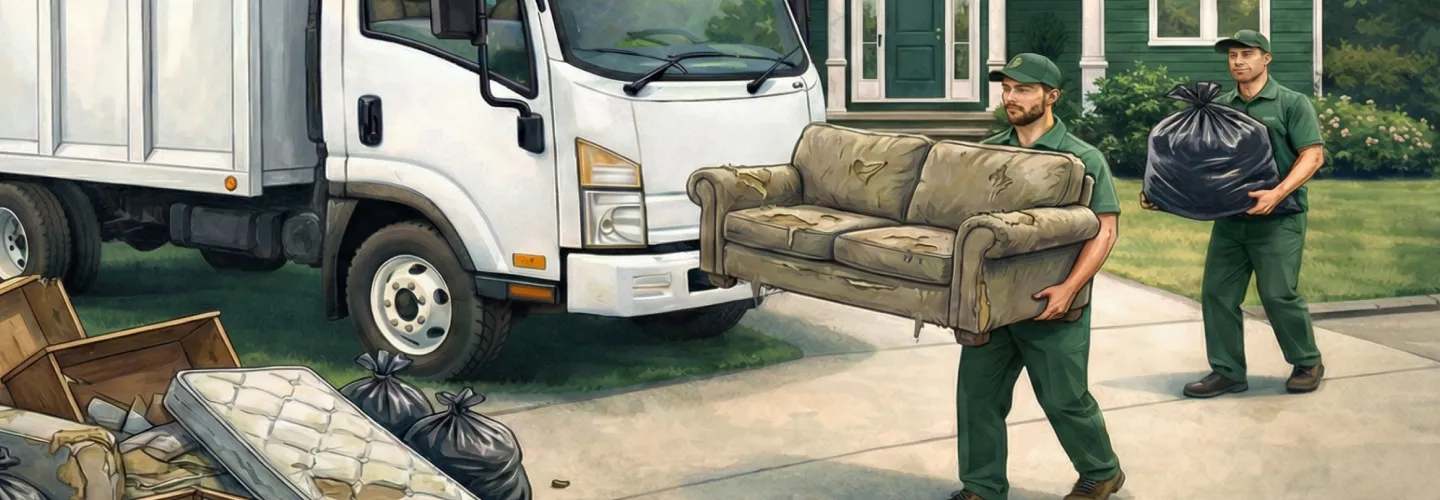
Natick Storage Unit Cleanout Services
Choose our Storage Unit Cleanout for fast, reliable, and hassle-free service—our experienced team ensures your unit is cleared efficiently, saving you time and stress while maximizing your usable space.
Get a Free QuoteOur Natick Junk Removal Services
Storage Unit Cleanout in Natick, MA – Local Service Guide
Clearing out a storage unit in Natick, MA, often arises during life transitions, seasonal changes, or when reclaiming space. In neighborhoods like South Natick and Walnut Hill, residents typically schedule cleanouts after home renovations, downsizing, or when replacing large items such as furniture, mattresses, or appliances. Local disposal options include donation centers, recycling facilities, and municipal drop-off sites, with logistics shaped by unit size, weather, and facility access. For residential spaces—garages, basements, or attics—spring and fall are peak times, especially in areas prone to flooding or with heavy tree coverage. Commercial clients in Natick’s business districts, such as Natick Center, require discreet, timely service for offices, retail, and hospitality spaces, often coordinating around business hours and high-volume needs. Specialty cleanouts, including estate, foreclosure, or construction debris, demand careful planning and coordination, particularly for properties near the Charles River or in historic districts. For local rules and resources, visit the official Natick city website.
Key Considerations for Storage Unit Cleanout in Natick
- Timing around seasonal changes and local events
- Access and parking at storage facilities or residential sites
- Proper disposal and recycling channels for various item types
- Volume and category-specific handling (e.g., electronics, hazardous materials)
- Coordination with local schedules and permit requirements
Benefits of Storage Unit Cleanout in Natick
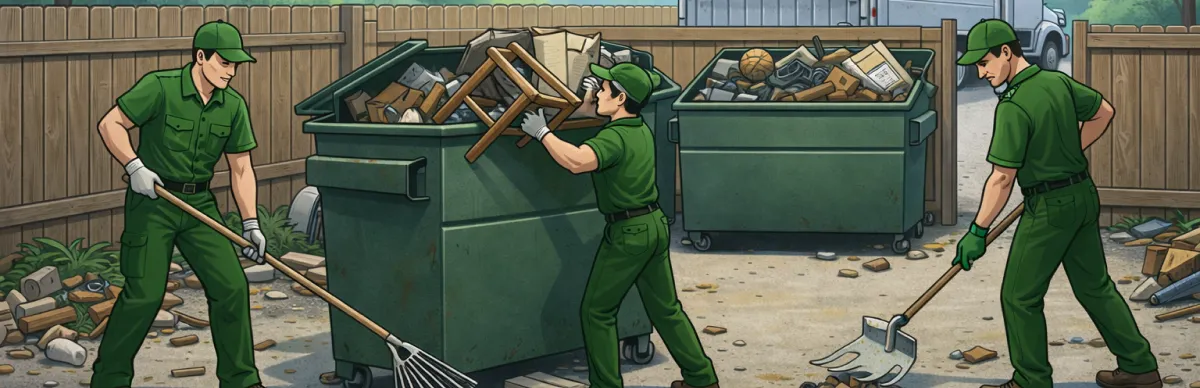
Fast and Efficient Cleanout
Professional and Reliable Team
Affordable Pricing Options
Eco-Friendly Disposal Solutions
Flexible Scheduling
Stress-Free Experience
Coordinating Storage Unit Cleanout with Natick’s Solid Waste and Recycling Programs
Proper storage unit cleanout in Natick requires adherence to municipal solid waste and recycling protocols. The Department of Public Works oversees bulk waste disposal, with residents and businesses required to schedule large item pickups at least 48 hours in advance. The Natick Transfer Station, located at 75 West Street, is open Monday through Saturday from 7:00 AM to 3:30 PM and accepts a range of materials for disposal and recycling. Fees apply for certain items, such as $35 per ton for general waste and $10 minimum per load. Accepted materials include furniture, non-hazardous household goods, and select electronics, while items like paint, chemicals, and tires are prohibited. To access the transfer station, a valid Natick resident sticker is required. For commercial cleanouts, licensed haulers must comply with local regulations and provide manifests for all loads.
- Schedule bulk pickups 48 hours in advance
- Transfer Station: 75 West Street, Mon-Sat 7:00 AM–3:30 PM
- Fees: $35/ton, $10 minimum
- Resident sticker required for access
- Prohibited items: hazardous waste, tires, certain electronics
Department of Public Works
75 West Street, Natick, MA 01760
Phone: (508) 647-6550
Official Website: Department of Public Works
Understanding Natick’s Regulations for Hazardous and Prohibited Materials in Storage Cleanouts
Natick enforces strict regulations on the disposal of hazardous and banned materials during storage unit cleanouts. The Massachusetts Department of Environmental Protection (MassDEP) prohibits landfill disposal of electronics (such as CRT monitors and TVs), mercury-containing devices, and certain batteries. Paints, solvents, and chemicals must be brought to designated Household Hazardous Waste (HHW) collection events, typically held twice annually at the DPW facility. Violations can result in fines of $100–$500 per incident. Residents should consult the Massachusetts Waste Disposal Ban List for a comprehensive overview. Proper sorting and separation of materials is required before disposal.
- Electronics and mercury devices banned from landfill
- HHW events: 2x/year at DPW, pre-registration required
- Fines: $100–$500 for improper disposal
- Refer to MassDEP’s Waste Disposal Ban List
- Separate hazardous from non-hazardous items before removal
Massachusetts Department of Environmental Protection
One Winter Street, Boston, MA 02108
Phone: (617) 292-5500
Official Website: Massachusetts Department of Environmental Protection
Permitting, Access, and Legal Requirements for Storage Unit Cleanout in Natick
Storage unit cleanout projects in Natick may require coordination with municipal authorities for access, parking, and legal compliance. Removal trucks over 10,000 lbs or those needing curbside access must obtain a right-of-way permit from the Department of Public Works, with applications submitted at least five business days in advance. In multi-story or historic buildings, building management approval and, in some cases, a Certificate of Insurance (COI) are mandatory. Operating hours for cleanout activities are restricted to 7:00 AM–7:00 PM to comply with local noise ordinances. For units located in historic districts or under HOA governance, additional approvals may be necessary.
- Right-of-way permit required for large trucks/curbside access
- Permit application: 5 business days in advance
- COI and building management approval for multi-story/historic sites
- Work hours: 7:00 AM–7:00 PM
- HOA/historic district approvals may apply
Department of Code Enforcement
13 East Central Street, Natick, MA 01760
Phone: (508) 647-6450
Official Website: Department of Code Enforcement
Recycling and Material Recovery Options for Storage Unit Contents in Natick
Natick prioritizes recycling and material recovery for items removed during storage unit cleanouts. The town’s Transfer Station accepts cardboard, scrap metal, and select electronics for recycling at no additional charge. Mattresses and box springs are subject to a $25 recycling fee per item, in accordance with Massachusetts’ landfill ban on these materials. Appliances containing refrigerants must be processed by certified technicians before disposal. Donation of reusable goods is encouraged through local organizations such as Habitat for Humanity ReStore (310 Speen Street, open Mon–Sat 9:00 AM–5:00 PM). Residents can consult the Natick Recycling Center Guide for accepted materials and preparation requirements.
- Cardboard, scrap metal, and select electronics recycled free
- Mattress recycling: $25/item, landfill ban enforced
- Appliances: refrigerant removal required
- Donations accepted at Habitat ReStore, 310 Speen St
- Review Recycling Center Guide for preparation details
Department of Public Works
75 West Street, Natick, MA 01760
Phone: (508) 647-6550
Official Website: Department of Public Works
What Neighborhoods Do We Serve Throughout Natick, MA?
- Natick Center: Dense mix of historic buildings and multi-story storage facilities. Access may require right-of-way permits and coordination with building management for elevator or stairwell use.
- East Natick: Predominantly residential with single-family homes and small storage complexes. Narrow streets may limit truck access; driveway protection is often necessary.
- West Natick: Features larger storage facilities and commercial zones. Ample parking and wide streets facilitate easier removal, but commercial cleanouts must comply with business waste regulations.
- South Natick: Historic district with older structures and limited curbside space. Special permits and adherence to preservation guidelines may be required for cleanout activities.
- Oak Street Area: Mix of apartments and senior housing. Elevator access is common, but advance scheduling with property managers is recommended for smooth operations.
- Sherwood: Suburban neighborhood with newer developments and attached garages. Access is generally straightforward, but HOA rules may restrict disposal methods.
- North Natick: Includes industrial and warehouse spaces. Large-scale cleanouts may require coordination with multiple agencies and adherence to commercial disposal protocols.